Flame impingement is a critical concern in process heaters, particularly when hydrocarbon feeds are involved. If left unchecked, it can lead to tube overheating, coking, and even catastrophic failure. Explore how to identify flame impingement, its impact on operations, and best practices to prevent and correct the issue.
Identifying Flame Impingement
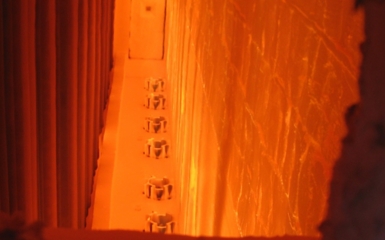
Operators play a key role in detecting flame impingement early. Visual inspections should be conducted at least once per shift to identify unusual flame patterns. Signs of potential flame impingement include:
- Flames visibly contacting the tubes
- Gradual increase in tube metal temperature (TMT)
- Progressive changes in tube appearance, from carbon buildup to eventual bulging or leaks
How Flame Impingement Affects Operations
The internal fluid cools furnace tubes, preventing overheating. However, when flame impingement occurs, carbon buildup inside the tube acts as an insulator, trapping heat and further accelerating the problem. If left unresolved, this can result in:
- Carbon buildup leading to reduced flow area.
- Tube overheating, which causes external scale formation and eventual material degradation.
- Tube failure, including bulging, leaks, and rupture.
Signs of Progressive Tube Damage
Operators should look for these warning signs:
- Dark areas from initial carbon deposits
- Light gray or silver spots where carbon has burned off
- Red hot spots, indicating severe overheating
- Bulging tubes—a precursor to rupture
Preventive and Corrective Actions
To ensure safe and efficient operations, it is critical to take proactive measures against flame impingement:
Immediate Corrective Actions
If flame impingement is detected:
- Adjust burner settings to redirect the flame away from tubes.
- Check burner air registers to ensure proper airflow.
- Inspect and clean gas tips to remove potential plugging.
- Verify oxygen levels and draft settings according to heater design specifications.
If the Heater Cannot Be Shut Down
In scenarios where shutdown is not possible, consider:
- Taking the affected burner out of service or reducing its firing rate.
- Increasing excess air to lower firebox temperatures.
- Increasing process flow through the affected pass to enhance cooling.
Extreme Risk Situations
As a last resort, emergency measures such as wrapping tubes or clamping them may be considered, but only under strict safety department approval.
Ensuring Long-Term Reliability
Flame impingement poses serious operational risks, but with proactive monitoring, regular maintenance, and proper burner adjustments, facilities can prevent costly failures and enhance heater longevity. Our proven expertise provides industry-leading solutions for optimizing burner performance and reducing risks. For more information on how we can help optimize your fired heaters and prevent flame impingement, contact our experts today.