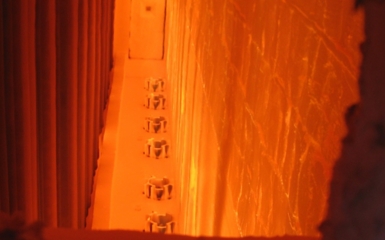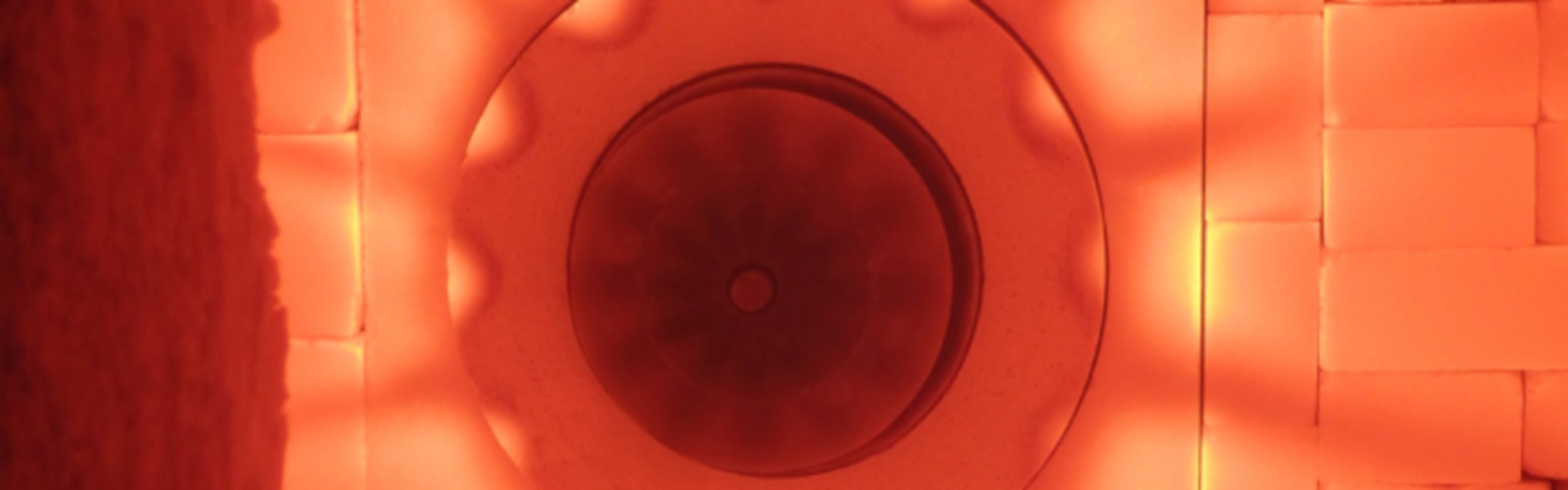
Radiant wall burners are widely used in ethylene plant cracking heaters, where precise heat distribution is essential for process efficiency. These burners are designed to fire pre-mixed gas, typically in a horizontal position, and are installed in the heater wall to create even heat radiation.
By producing a radial flame shape that follows the heater wall, these burners maximize heat transfer to the process tubes at the center of the heater.
For applications requiring high efficiency and stable combustion, advanced burner designs like the LPMW™ Radiant Wall Burner and WALFIRE™ Radiant Wall Burner provide enhanced performance, fuel flexibility, and low-emission operation.
Operational Challenges
While radiant wall burners are highly effective, two common issues can impact performance:
- Flashback – The flame burns inside the gas tip or mixer, which can damage the burner and reduce heat transfer.
- Flame Lift-Off – The flame detaches from the gas tip, causing instability, pulsation, and potential flameout.
Preventing these issues requires proper burner selection, fuel management, and operational adjustments.
Corrective and Preventive Actions
Flashback Causes and Solutions
Flashback is typically caused by high hydrogen content in the fuel gas. When hydrogen levels exceed 30 percent by volume, the risk of flashback increases due to hydrogen’s high flame speed. If the air-fuel mixture velocity in the venturi is too low, the flame can travel back into the burner tip.
Flashback is often accompanied by a loud noise, similar to a rifle shot, when it occurs.
To mitigate flashback, several strategies can be employed:
- Increase gas exit velocity by reducing the gas tip flow area, though this may slightly reduce capacity when firing natural gas.
- Raise fuel pressure by reducing the size of the orifice spuds, which increases air entrainment and improves mixture velocity.
- Reduce primary air intake to lower the oxygen content in the pre-mixed fuel. Less oxygen reduces the likelihood of flashback while shifting the burner toward a raw gas flame.
- Take some burners out of service at low heater loads to increase fuel pressure and improve air entrainment on the remaining burners.
For environments where flashback is a concern, selecting a burner designed for hydrogen-rich fuel flexibility, such as the LPMW Radiant Wall Burner, can provide a more stable combustion solution.
Flame Lift-Off Causes and Solutions
Flame lift-off occurs when the flame separates from the gas tip, leading to instability and possible flameout. This issue is often accompanied by a “huffing” noise as the flame repeatedly tries to reattach.
The most common cause of flame lift-off is improper gas tip positioning within the burner tile. Burner design specifications include precise measurements for gas tip placement relative to the tile face or flame slots.
Other contributing factors include:
- Excess primary air – Too much primary air can blow the flame off the gas tip. This is especially problematic during startup in a cold firebox. During ignition, primary air should be reduced while secondary air remains open to allow stable flame attachment.
- Natural gas characteristics – While clean-burning, natural gas has a high ignition temperature and a molecular structure that resists dissociation. In some cases, a stability ring on the gas tip can improve flame retention when burning natural gas.
- Fouling from fuel contaminants – In ethylene plants, gas tips, orifice spuds, and mixers can become clogged due to green oil contamination from gas compressors. A regular maintenance program helps prevent these issues.
For facilities experiencing persistent flame lift-off, WALFIRE Radiant Wall Burners are designed to optimize flame stability, fuel flexibility, and heat distribution.
Summary
Radiant wall burners are essential in cracking heaters, where even heat distribution is required for optimal process performance. Preventing common issues like flashback and flame lift-off improves efficiency and reliability.
To prevent flashback:
- Monitor hydrogen levels in fuel gas and adjust burner operation accordingly.
- Increase gas tip exit velocity and maintain proper fuel pressure.
- Reduce primary air intake to limit oxygen concentration in the pre-mixed fuel.
To prevent flame lift-off:
- Ensure correct gas tip positioning per burner design specifications.
- Adjust primary and secondary air settings to promote flame attachment.
- Consider stability rings to enhance flame retention when using natural gas.
- Implement routine burner maintenance to prevent fouling from green oil contamination.
For expert assistance in selecting and optimizing radiant wall burners, including the LPMW and WALFIRE models, contact John Zink’s experts.