Flare Systems

InstaFire™ Rapid Pilot Monitoring & Ignition System

John Zink’s InstaFire™ Rapid Pilot Monitoring & Ignition system provides reliable direct-spark ignition and flame ionization-based detection for industrial pilots and flares. Designed to simplify operations and ensure immediate pilot flame detection and re-ignition, InstaFire helps you maintain safe, efficient performance in demanding environments. 

Overview

The Flare Pilot That Doesn’t Back Down.

John Zink’s InstaFire system combines high-voltage direct-spark ignition and rapid flame ionization monitoring in one comprehensive solution. The control module and transformer (both typically housed in a remote-control panel) deliver a high-voltage arc to ignite the pilot and then seamlessly switch to a lower-voltage potential for continuous flame detection. This ionization-based detection identifies flame loss within seconds- significantly faster than traditional thermocouple methods- allowing immediate re-ignition attempts. 

Operating in either manual or automatic mode, InstaFire is controlled by a stand-alone module that requires no additional PLC or logic. In automatic mode, the module cycles between spark generation for pilot ignition and flame detection, continuously verifying pilot presence. In manual mode, operators can momentarily energize the spark to ignite the pilot. The system installs easily with a single high-voltage cable to each pilot and can be mounted up to 1,000 feet away. With no need for compressed air and no bulky ignition lines, InstaFire streamlines pilot system design while enhancing safety and reliability. 

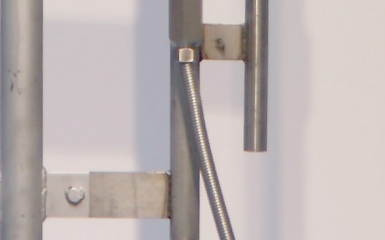
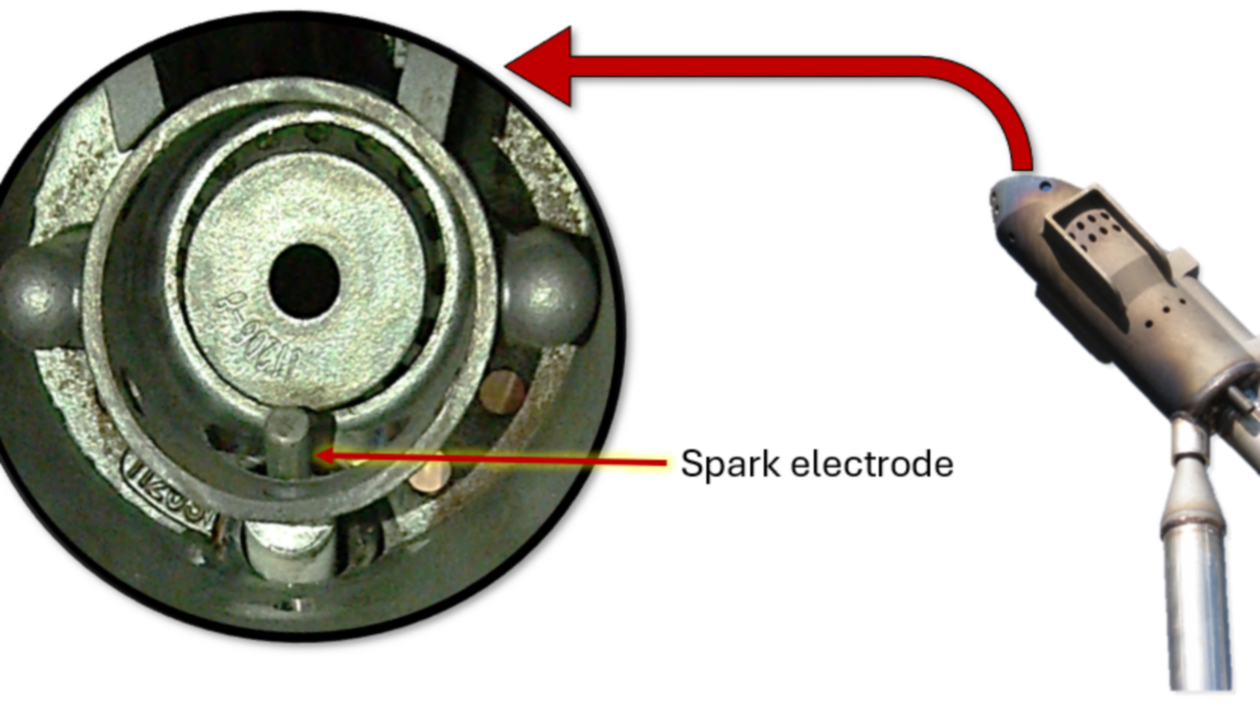
a close-up of a spark electrode

Features

  • Direct-Spark Electrode: Uses a heavy-duty “spark plug type” electrode mounted directly in the pilot nozzle for reliable ignition. 
  • Integrated Flame Ionization: Detects pilot flame loss within 6 to 20 seconds—faster than traditional thermocouples, which can take more than 9 minutes—allowing for immediate re-ignition attempts and minimizing downtime. 
  • Flexible Control Options: Operates in manual or automatic mode, controlled via a simple Manual-Off-Auto (MOA) switch with spring-return functionality. 
  • Compact & Remote Installation: Control module and transformer can be housed in a panel up to 1,000 feet away; only a single high-voltage cable runs to the pilot. 
  • Stand-Alone Control Module: No additional PLC or external logic required—streamlined installation and configuration. 
  • No Compressed Air Required: Unlike conventional flame front generator (FFG) systems, InstaFire eliminates the need for dedicated air lines.


Benefits

  • Faster Response & Re-Ignition: Detects lost flame within seconds, reducing downtime and ensuring continuous operation. 
  • Simplified Installation & Maintenance: Minimal wiring and absence of bulky ignition lines lower installation costs and complexity. 
  • Enhanced Safety: Rapid detection and immediate re-ignition attempts help maintain pilot flame reliability, reducing the risk of unlit burners or flares. 
  • Reduced Operator Intervention: Automatic mode relieves personnel from constant manual monitoring or relighting tasks. 
  • Adaptable & Scalable: Ideal for new installations or upgrades, with the flexibility to integrate thermocouple or acoustic monitoring for redundancy if desired.
  • Flexible Retrofits: May be installed in parallel with John Zink’s Zeus High Energy Spark Ignition, Flame Front Generators, and other pilot detection methods such as thermocouples. 
Additional Offerings

Related To InstaFire™ Rapid Pilot Monitoring & Ignition System

Partner With John Zink

With nearly a century of leadership in combustion and emission control, we are committed to being your trusted partner. Collaborate with John Zink for reliable solutions backed by expert service and support.